Featured
Table of Contents
- – Recognizing LGBTQ-Affirming Therapy: Beyond Su...
- – Consuming Problem Treatment in the LGBTQ Commu...
- – Transgender Treatment: Supporting Gender Trip ...
- – Injury Treatment for LGBTQ People
- – OCD Therapy in LGBTQ Contexts
- – Art Treatment: Imaginative Expression in LGBTQ...
- – Selecting Your LGBTQ-Affirming Therapist
- – Approaching Genuine Healing
Exposure and Response Prevention (ERP) Therapy
Navigating mental health and wellness treatment as an LGBTQ individual calls for even more than simply tolerance-- it requires genuine affirmation, cultural expertise, and specialized understanding of the distinct challenges queer and transgender individuals encounter. When looking for treatment for eating disorders, injury, OCD, or gender-related problems, locating a therapist that incorporates LGBTQ-affirming practices isn't simply better, it's essential for effective treatment. The junction of identity and mental wellness forms every facet of restorative work, making specific treatment vital for genuine healing.
Recognizing LGBTQ-Affirming Therapy: Beyond Surface-Level Approval
LGBTQ-affirming therapy goes much deeper than rainbow flags in the waiting room or pronouns in e-mail trademarks. Absolutely attesting therapists comprehend just how minority anxiety, discrimination, household rejection, and social marginalization impact psychological health throughout the queer neighborhood. They recognize that numerous mental wellness struggles-- consisting of consuming disorders, anxiety, anxiety, and trauma-- are often rooted in or intensified by experiences of homophobia, transphobia, and heteronormativity.
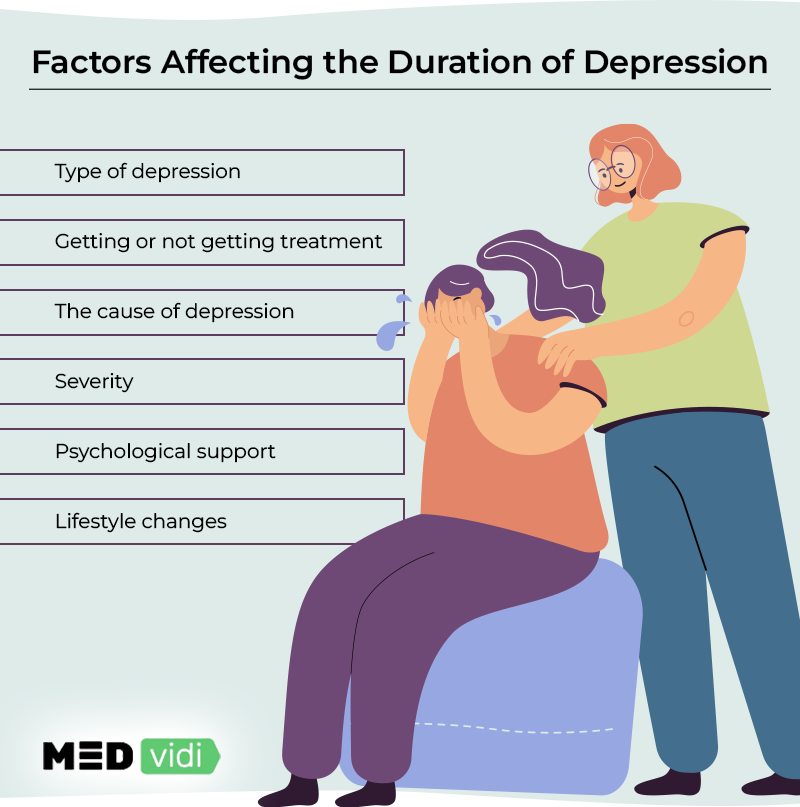
Rubertić Counseling's approach to LGBTQ therapy exhibits this deepness of understanding. Rather than dealing with sexual alignment or gender identity as separate from other mental wellness issues, affirming specialists incorporate this understanding throughout treatment. An eating problem in a transgender client isn't nearly food and body image-- it may include gender dysphoria, social shift stress and anxiety, and internalized transphobia. OCD in a queer individual might materialize via intrusive thoughts about sexual preference, calling for specialized understanding to deal with properly.
The difference in between forgiving and attesting treatment becomes clear in practice. Forgiving therapists approve LGBTQ clients however may lack understanding concerning queer experiences, rely upon obsolete terms, or accidentally bolster unsafe presumptions. Affirming therapists proactively commemorate LGBTQ identifications, stay present on community issues, understand intersectionality, and acknowledge their own biases. This foundation develops safety and security for clients to explore their authentic selves without anxiety of judgment or misunderstanding.
Consuming Problem Treatment in the LGBTQ Community
Eating disorders overmuch affect LGBTQ individuals, particularly transgender and gender-nonconforming individuals. Research study shows gay and bisexual men experience consuming disorders at prices significantly greater than heterosexual males, while transgender people face elevated threats throughout all gender identifications. These data reflect the complicated relationship in between body picture, sex identification, minority stress, and disordered consuming that LGBTQ-affirming eating problem treatment have to attend to.
For transgender clients, eating problems might arise as efforts to control physical appearance during gender shift, take care of dysphoria, or satisfy binary gender expectations. A transmasculine individual may limit consuming to reduce contours, while a transfeminine individual might take part in disordered behaviors to achieve certain visual perfects. LGBTQ-affirming eating condition therapists recognize these subtleties and prevent one-size-fits-all therapy methods developed largely for cisgender, heterosexual women.
Gay and bisexual males encounter distinct pressures within queer community areas where physical appearance typically carries enhanced social currency. Body image worries converge with dating application society, gym culture, and internalized homophobia to produce susceptability to anorexia nervosa, bulimia, and muscle dysmorphia. Affirming therapists recognize these cultural variables while helping customers create authentic connections with their bodies separate from outside recognition.
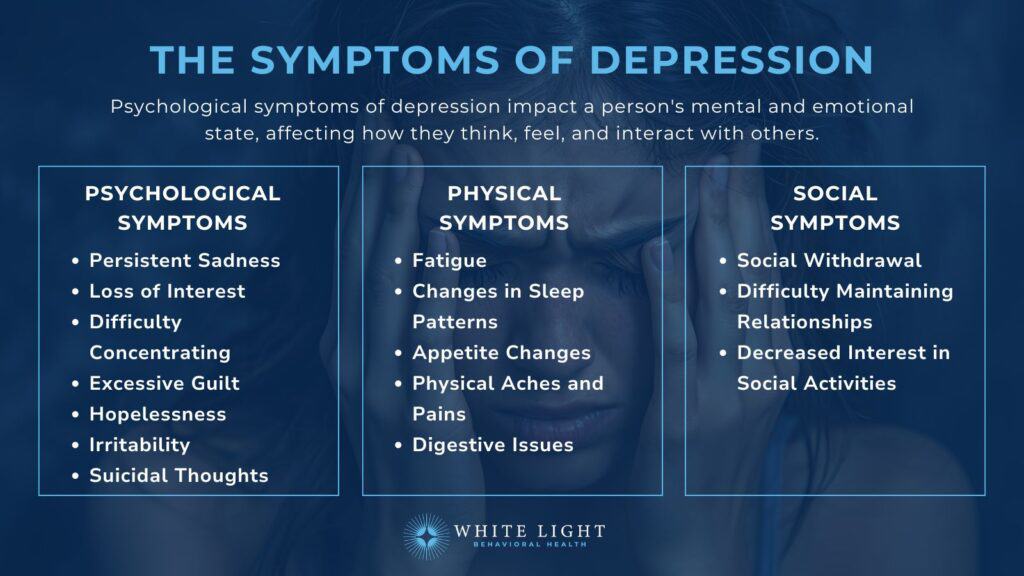
Reliable eating problem treatment for LGBTQ clients integrates trauma-informed treatment, addresses minority anxiety, and supports clients in establishing body acceptance within the context of their authentic identities. Therapists should recognize how societal denial, family dynamics, and discrimination add to disordered consuming while assisting customers develop healthier coping mechanisms and self-compassion.
Transgender Treatment: Supporting Gender Trip and Mental Health And Wellness
Transgender people looking for mental health support need specialists that recognize the difference in between supporting sex expedition and gatekeeping access to gender-affirming treatment. LGBTQ-affirming therapists collaborating with transgender clients provide assessment and support letters when scientifically suitable while additionally addressing the mental health problems that bring people to therapy-- whether those concerns connect to gender identification or not.
Many transgender people experience stress and anxiety, clinical depression, and injury pertaining to gender dysphoria, discrimination, family denial, and browsing clinical change. Experienced transgender treatment addresses these challenges while attesting clients' gender identifications and sustaining their freedom in change choices. Therapists must understand hormone therapy impacts, surgical options, social shift difficulties, and the psychological wellness effects of residing in a culture with minimal understanding of gender diversity.
The restorative relationship itself can be recovery for transgender customers that have actually experienced invalidation from medical service providers, member of the family, and previous therapists. When a therapist uses proper names and pronouns continually, recognizes transition-related terminology, and validates the client's gender experience, it produces foundation for deeper healing work. This affirmation enables clients to resolve other psychological health and wellness problems without continuously safeguarding their identity.
Rubertić Counseling's specialization in transgender treatment shows the worth of dealing with specialists that preserve active involvement in LGBTQ communities, seek continuous education and learning regarding sex variety, and comprehend just how sex identity intersects with various other elements of mental wellness. This knowledge guarantees customers get experienced, considerate care throughout their healing trip.
Injury Treatment for LGBTQ People
LGBTQ individuals experience both individual distressing occasions and the collective trauma of living in heteronormative, cisnormative culture. Lots of carry childhood injury from family members rejection, intimidation, or religious condemnation of their identities. Others experience grown-up injury via hate criminal activities, employment discrimination, healthcare persecution, or intimate partner violence within LGBTQ relationships. Effective trauma therapy for queer and transgender clients should deal with these split experiences.
Minority stress theory explains exactly how chronic discrimination produces continuous psychological distress comparable to trauma reactions. LGBTQ individuals develop hypervigilance regarding security, experience invasive ideas about prospective denial, and sometimes engage in avoidance actions to decrease discrimination direct exposure. These injury signs and symptoms need healing techniques that verify the truth of societal oppression while building resilience and recovery.
LGBTQ-affirming trauma specialists understand exactly how coming out experiences can be terrible, just how family denial creates complicated trauma, and exactly how spiritual injury especially impacts queer individuals raised in conservative environments. They recognize that some trauma stems directly from previous therapy experiences where experts attempted conversion treatment, pathologized LGBTQ identities, or demonstrated extensive ignorance concerning queer lives.
Techniques like EMDR, somatic therapy, and Internal Household Solutions work successfully for LGBTQ injury when supplied by affirming specialists who recognize community-specific experiences. Processing childhood memories of hiding sexual preference differs significantly from processing heterosexual experiences, needing therapists who can hold room for these one-of-a-kind stories without decreasing or misinterpreting their effect.
OCD Therapy in LGBTQ Contexts
Obsessive-compulsive problem in LGBTQ individuals occasionally entails invasive ideas especially pertaining to sexual positioning or sex identification-- usually called sexual preference OCD or gender identification OCD. These presentations require therapists that can compare OCD symptoms and authentic identity exploration, recognizing that a person experiencing SO-OCD isn't questioning their sexual orientation yet instead experiencing anxiety-driven invasive thoughts regarding it.
LGBTQ-affirming OCD therapy makes use of evidence-based approaches like Direct exposure and Feedback Prevention (ERP) while maintaining level of sensitivity to how sexual orientation and sex identification operate differently than OCD obsessions. A therapist strange with LGBTQ experiences might accidentally strengthen damaging concepts or stop working to recognize legit identification expedition unique from OCD signs and symptoms.
Transitioning PartnerPast identity-specific OCD discussions, LGBTQ people experience the complete series of OCD signs and symptoms-- contamination concerns, examining habits, invasive violent or sex-related thoughts, and more. Affirming specialists treat these symptoms properly while recognizing just how minority stress may worsen OCD and exactly how certain fascinations could show internalized homophobia or transphobia requiring additional healing attention.
Art Treatment: Imaginative Expression in LGBTQ Mental Health And Wellness
Art treatment uses distinct benefits for LGBTQ individuals, supplying nonverbal pathways to explore identification, procedure injury, and share experiences that words alone can not capture. Imaginative expression bypasses several of the intellectualization that can happen in traditional talk therapy, allowing deeper psychological processing and self-discovery.
For transgender clients, art therapy supports gender expedition and expression in secure, validating settings. Producing self-portraits, checking out color and type pertaining to gender experience, or handling transition-related feelings with imaginative job supplies effective recovery chances. LGBTQ individuals processing trauma, consuming conditions, or OCD advantage from art treatment's capability to externalize tough experiences and produce range for handling.
LGBTQ-affirming art specialists recognize queer aesthetic appeals, identify references to LGBTQ culture and background, and produce comprehensive spaces where customers can check out identification via creative mediums. This specific expertise enhances restorative effectiveness while demonstrating cultural expertise that constructs trust and security.
Exposure and Response Prevention (ERP) TherapySelecting Your LGBTQ-Affirming Therapist
Locating the appropriate LGBTQ-affirming therapist involves even more than browsing directories for rainbow icons. Think about these elements when evaluating prospective specialists:
- Energetic involvement in LGBTQ communities and continuous social competency training
- Certain experience with your specific worries, whether consuming disorders, transgender treatment, trauma, OCD, or various other problems
- Clear verifying language on their web site and in preliminary interactions
- Determination to discuss their method to LGBTQ-affirming treatment during assessment
- Comprehending of intersectionality and just how race, course, special needs, and various other identifications intersect with LGBTQ experiences
- Evidence-based treatment modalities provided with social sensitivity
Rubertić Counseling's field of expertise across consuming conditions, LGBTQ treatment, transgender treatment, injury, OCD, and art treatment represents the thorough, affirming strategy that creates purposeful change. When therapists integrate professional know-how with authentic LGBTQ affirmation, they create healing spaces where clients can attend to mental health issues while celebrating their genuine identifications.
Approaching Genuine Healing
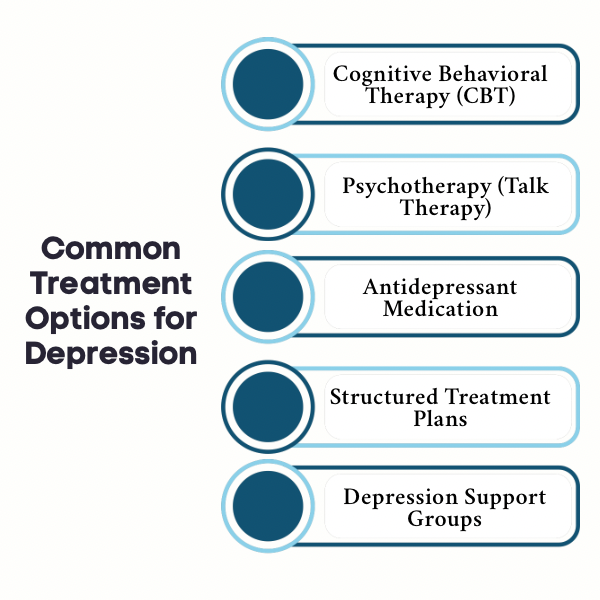
LGBTQ-affirming therapy uses greater than signs and symptom decrease-- it provides pathways to living authentically, healing from discrimination's influences, and building lives straightened with your real self. Whether you're looking for support for consuming conditions, navigating gender change, refining injury, handling OCD, or discovering innovative healing with art therapy, specialized verifying treatment makes all the distinction. Your identity isn't something to overcome in therapy; it's an important component of who you are that is entitled to celebration and combination throughout your healing trip.

Table of Contents
- – Recognizing LGBTQ-Affirming Therapy: Beyond Su...
- – Consuming Problem Treatment in the LGBTQ Commu...
- – Transgender Treatment: Supporting Gender Trip ...
- – Injury Treatment for LGBTQ People
- – OCD Therapy in LGBTQ Contexts
- – Art Treatment: Imaginative Expression in LGBTQ...
- – Selecting Your LGBTQ-Affirming Therapist
- – Approaching Genuine Healing
Latest Posts
Effects of Attachment Trauma on Emotional Eating
Sleep Patterns with Trauma Therapy Treatment
Insurance Options for Cognitive Behavioral Therapy
More
Latest Posts
Effects of Attachment Trauma on Emotional Eating
Sleep Patterns with Trauma Therapy Treatment
Insurance Options for Cognitive Behavioral Therapy