Featured
Table of Contents
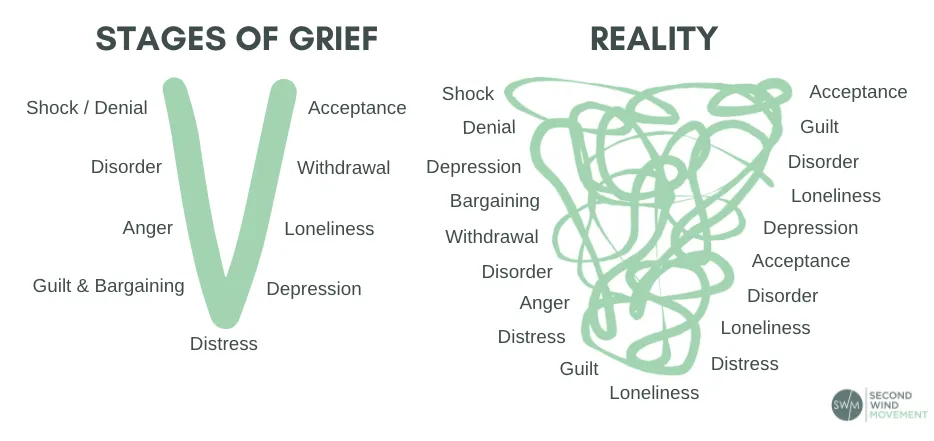
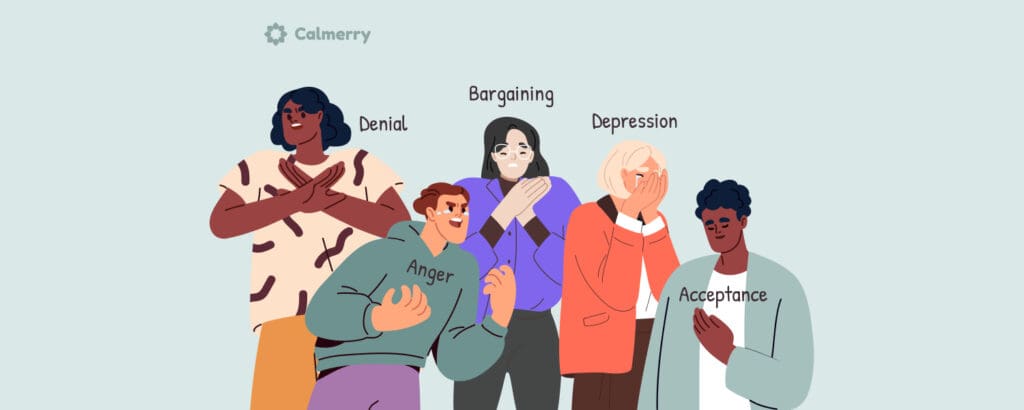
Sorrow is a difficult procedure that varies from person to individual. The five phases of sorrow rejection, temper, negotiating, depression, and approval are a useful structure for considering sorrow, but it does not indicate we'll go via every phase. Likewise, we can experience these aspects of despair at different times, and they do not happen in one particular order.
This site utilizes cookies to help personalise content, customize your experience and to keep you visited if you register. By continuing to use this site, you are consenting to our use cookies.
The seven stages of despair are a theme for how an individual might grieve. This intermittent framework is implied to aid you better comprehend your feelings and is not meant to prescribe just how you need to regret, what you ought to be sensation, or in which order. Everyone regrets differently. Each stage may come and go or overlap the others.
If you wish to find out more regarding your individual grieving process, it's a good concept to reach out to a relied on psychological health specialist to understand on your own better and establish appropriate coping approaches. Discover more regarding the 7 stages of despair. Despair can be a challenging and unpleasant process. When a loss happens, among the initial points you might experience is shock.
The Interplay Between Early Wounds and Excellence-Seeking
That's because no person can ever be truly gotten ready for a loss so substantial. Subsequently, when you are in shock after a loss, you may behave typically or just as if nothing has occurred. The majority of the moment, this is due to the fact that your body has not refined the loss yet. You might really feel like the scenario hasn't "sunk in" right now.
These feelings and experiences are self-protective mechanisms that serve as a buffer to make sure that you are not bewildered all at once. Since the fatality of a loved one can have such a significant influence on you, you might experience denial. During this phase of despair, it is simply too hard for your brain to understand that your relative, friend, or various other liked one is gone.
As you slowly start to approve the loss and what it means for your life now, your denial will begin to decrease. You might have a more comprehensive variety of sensations and feelings when denial puts on off. Until after that, you may have durations when you really feel troubled, which can be activated by reminders of your loved one.
In some instances, it's a typical sensation to wish to stay clear of others to ensure that you do not have to recognize or review your loss. Occasionally, you really feel absent-minded, get quickly sidetracked, or put things off throughout this stage of despair. You might additionally try to stay busy all the time or closed down psychologically.
Early Wound Healing for Adults Through IFS in San Francisco
In particular situations, you might additionally really feel upset with the medical care providers, your buddies, member of the family, God, or any kind of various other spiritual being(s) you believe in. Under all that rage is your discomfort. While it might be awkward to take care of, it offers extra structure to your grieving than staying numb.
During this phase, people often really feel helpless and hopeless and ask themselves "suppose" concerns. You might really feel guilty for refraining from doing even more to maintain the loss from taking place or for not spending more time with the individual you shed. Throughout the negotiating stage, it prevails to question or say, "I need to have done this ..." or "If I had only done that ..." While these sorts of uncertainties are regular, they are not where you desire your thought procedure to stay.
Recognizing Peak Performance in the context of Emotional Challenges
It might also be useful to do something certain, like create a letter to your enjoyed one or chat to them out loud. Once you come to terms with the fact of the loss, a deeper degree of unhappiness might begin to sneak in.

You can also check out for a checklist of added sources or call the number listed below to get to Drug abuse and Mental Health Providers Management (SAMHSA) hotline. The screening stage of the mourning procedure often involves checking out various things that help you move onward. In this stage, you are starting to construct your new normal in addition to refining your sensations and feelings developed by the loss.
Reaching the approval stage does not mean you are okay with what took place. Instead, this part of the grieving process is a lot more about accepting what your life resembles now. You will still require to pay attention to your sensations and change, yet you will certainly begin to really feel even more wholeeven if it looks various than it did in the past.

Latest Posts
What to Evaluate When Choosing a Therapist
Clinical Therapeutic Interventions for OCD
Trauma-Informed Trauma Therapy